Source breathable western women cowboy boots for parties, weddings, and dating
Compare 30 listings of breathable western women cowboy boots featuring genuine leather uppers, rubber soles, and waterproof options. Buyers can evaluate customization, heel heights, and closure types from multiple Chinese manufacturers; compare the available evidence and request quotations based on your requirements.
Key considerations
Products List


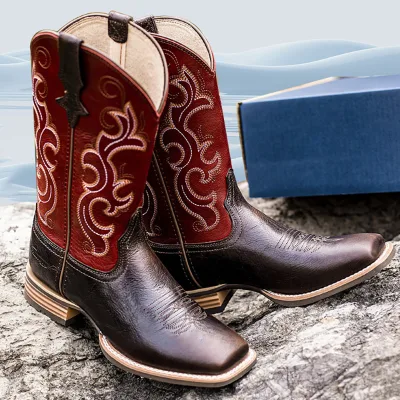


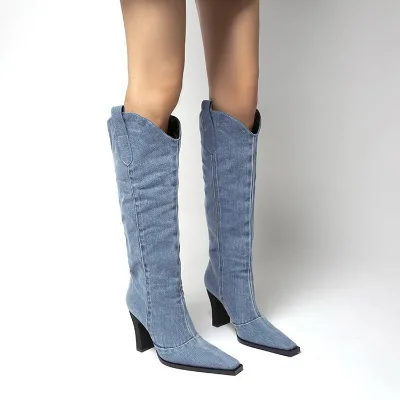
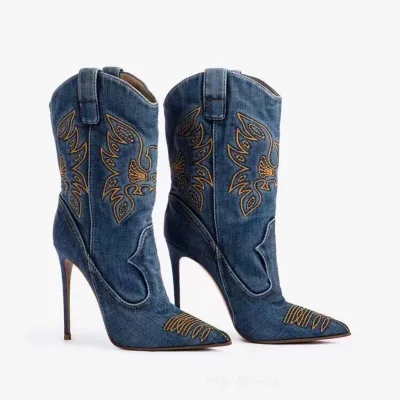
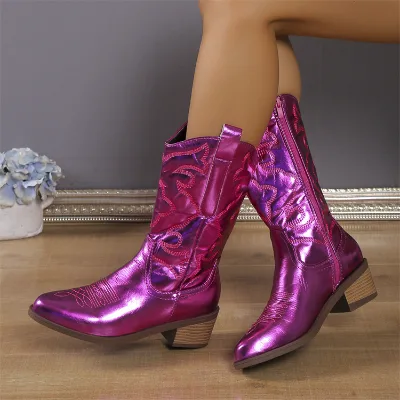
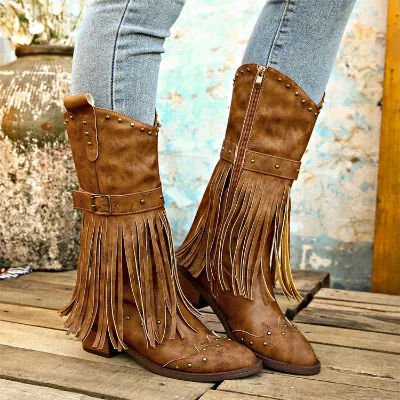
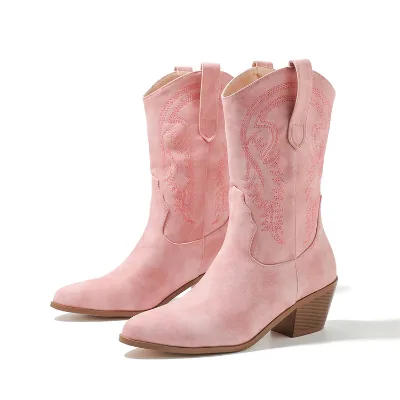
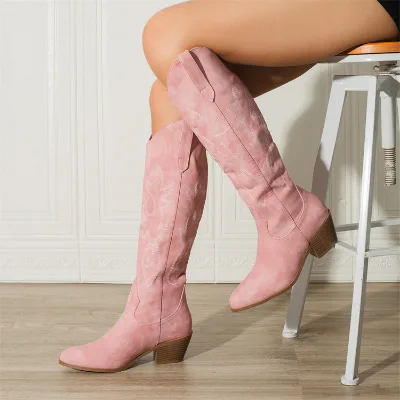


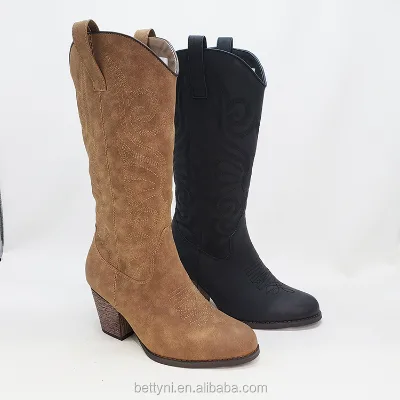
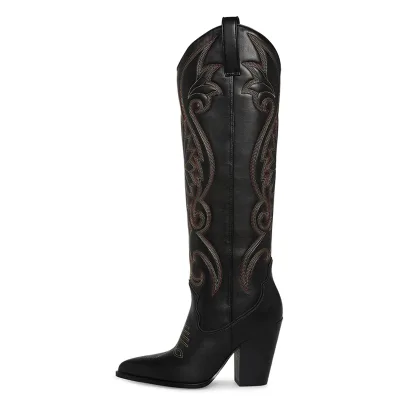
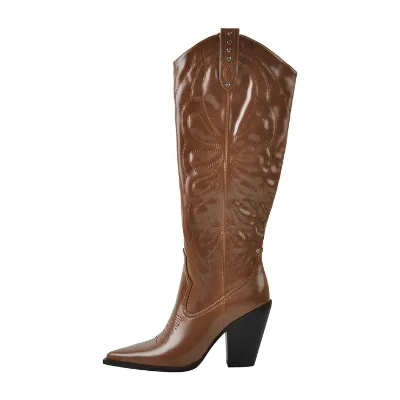

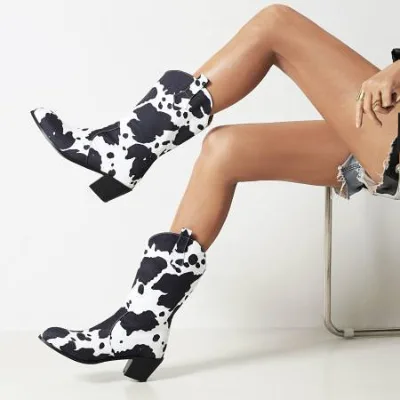
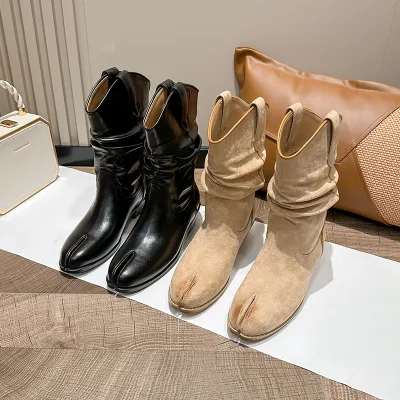
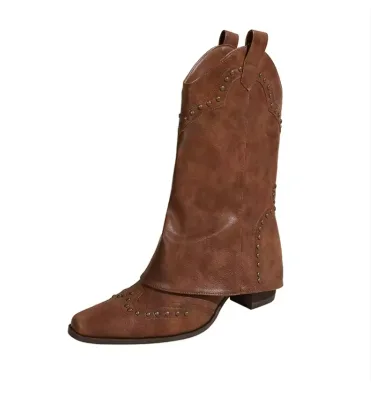
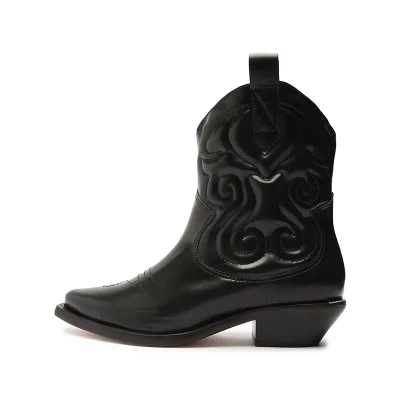


Comprehensive Sourcing Guide
Breathable Western Women Cowboy Boots Sourcing Guide
Sourcing breathable western women cowboy boots requires balancing traditional aesthetic cues with modern performance expectations. Buyers must navigate a market where "breathable" often intersects with waterproof claims, creating potential confusion in product listings. The observed data indicates a wide variance in material composition, ranging from genuine leather uppers to synthetic linings, which directly impacts airflow and moisture management. Understanding these distinctions is critical for selecting footwear that meets specific climate and usage requirements without compromising on the iconic western silhouette.
Procurement teams should prioritize suppliers who provide transparent material breakdowns rather than relying on generic marketing terms. The presence of cotton fabric linings and PU insoles in some listings suggests a focus on comfort and breathability, while other entries highlight rubber outsoles for durability. Verifying the actual construction methods, such as hand-made techniques versus mass production, helps ensure that the boots maintain their structural integrity and aesthetic appeal over time. This diligence prevents mismatches between buyer expectations and the final delivered product quality.
Product Scope and Observed Listing Signals
The current market landscape for western-style boots reveals a diverse array of product attributes that buyers must carefully evaluate. Listings frequently mention features like damping athletic performance and anti-microbial properties, which are unusual for traditional cowboy boots but indicate a hybridization of styles. Some products are marketed as casual boots with midi boot heights, while others specify ankle and bootie heights. This variation suggests that the category is evolving to include more versatile footwear options that blend western aesthetics with everyday comfort and functionality.
Color and closure patterns also play a significant role in defining the product scope. Observed listings include white and black color options, with closure types ranging from lace-up to magic tape and slip-on designs. The availability of customized logos and individual packaging with dust bags points to a B2B focus on branding and premium presentation. Buyers should note that while some items are labeled as waterproof, others explicitly state they are not, highlighting the need for precise specification checks to avoid fulfillment errors.
Technical Specifications to Verify
Technical verification begins with confirming the upper and lining materials, as these dictate the boot's breathability and durability. Genuine leather and cow leather uppers are common, offering natural ventilation, while fabric linings enhance moisture wicking. Buyers must verify the sole material, typically rubber, to ensure adequate traction and wear resistance. Additionally, heel height and type, such as low heels or flat designs, should be confirmed to match the intended use case, whether for formal occasions or daily wear.
Size specifications and packaging dimensions are equally critical for logistics planning. Observed size ranges include US sizes 8, 9, 10, and 12, as well as EU sizes 34-46, requiring careful alignment with target demographic data. Packaging standards vary, with some items packed individually in boxes and others in cartons of twelve pairs. Verifying single gross weights, often around 2.000 Kg, helps in calculating shipping costs and warehouse storage requirements accurately.
Compliance and Safety Documentation
Compliance documentation for western boots often focuses on material safety and manufacturing standards rather than rigorous safety certifications. Buyers should request information on the origin of materials, particularly leather, to ensure ethical sourcing practices. While specific certification statuses are not always listed, verifying that the supplier adheres to general quality standards is essential. The mention of high-quality production and hand-made techniques suggests a focus on craftsmanship, which can be a proxy for overall product reliability.
Environmental and chemical compliance is another area requiring attention, especially given the anti-microbial features mentioned in some listings. Buyers should inquire about the chemicals used in tanning and finishing processes to ensure they meet international safety regulations. Although specific test results are not provided in the observed data, requesting material safety data sheets (MSDS) for linings and outsoles can help mitigate risks associated with harmful substances.
Cost Drivers and Commercial Terms
Cost drivers for western boots are influenced by material quality, construction complexity, and customization options. Genuine leather uppers and hand-made construction typically command higher prices compared to synthetic alternatives. The observed price range of 9.8 to 107.15 USD reflects this variance, with premium features like customized logos and individual packaging adding to the final cost. Buyers should analyze the cost per pair against the expected retail margin to determine the viability of different supplier options.
Minimum order quantities (MOQ) and payment terms also impact the overall procurement strategy. Observed MOQs range from 1 to 500 pairs, with some listings specifying 30 pairs as a standard threshold. Flexible MOQs allow for smaller test orders, reducing risk for new buyers. Understanding the lead times and shipping terms is crucial for inventory management, ensuring that stock levels align with market demand without excessive holding costs.
Supplier Qualification and Quality Control
Supplier qualification involves assessing their production capabilities and quality control processes. Buyers should verify the supplier's location, with origins in Sichuan and Guangdong, China, indicating established manufacturing hubs. Requesting samples is essential to evaluate the actual quality of materials, stitching, and finish. The presence of multiple brands in the market suggests that many suppliers offer white-label services, requiring careful vetting to ensure brand consistency and quality standards.
Quality control checks should include inspections for defects in leather, sole attachment, and lining integrity. Buyers should establish clear acceptance criteria for color consistency and size accuracy, as variations can lead to customer returns. Engaging with suppliers who provide detailed product models and specifications, such as M220704007 or CY-20362, facilitates more precise communication and reduces the likelihood of misunderstandings during the production process.
Long-Term Procurement Checks
Long-term procurement success depends on building sustainable relationships with reliable suppliers. Buyers should monitor supplier performance over time, tracking metrics such as on-time delivery rates and defect percentages. Regular communication and feedback loops help maintain quality standards and address any emerging issues promptly. The ability to customize products, including logos and packaging, allows for brand differentiation and market adaptation over time.
Market trends and consumer preferences in western footwear are constantly evolving, requiring buyers to stay informed about new styles and features. Observing shifts in popular attributes, such as the increasing demand for breathable and waterproof options, can guide future sourcing decisions. By maintaining a flexible and informed procurement strategy, buyers can effectively navigate the dynamic western boot market and meet the changing needs of their customers.
FAQs
Are these boots waterproof and breathable?
Yes, the boots are designed to be both waterproof and breathable. They feature genuine leather uppers and cotton fabric linings to ensure comfort. This combination protects feet from moisture while allowing air circulation, making them suitable for various weather conditions and extended wear without discomfort.
What materials are used in the construction?
The boots utilize genuine leather and cow leather for the upper material, ensuring durability and a premium feel. The lining is made of cotton fabric for comfort, while the insole uses PU material for support. The outsole is crafted from rubber to provide reliable traction and stability on different surfaces.
Can I customize the logo on the boots?
Yes, customized logos are accepted for these boots. Buyers can request specific branding to align with their business needs. This customization option allows for unique product identification. Please confirm details with the supplier to ensure the logo design meets their production capabilities and quality standards before placing an order.
What is the minimum order quantity for these boots?
The minimum order quantity is typically 30 pairs. This MOQ allows buyers to test the market with a manageable initial stock. Some suppliers may offer different MOQs, so it is advisable to check specific listings. Bulk orders often benefit from better pricing, making this a flexible option for various business sizes.
Are these boots suitable for all seasons?
Yes, these boots are designed for all-season wear. Their breathable and resilient features make them comfortable in various temperatures. The waterproof construction protects against rain, while the breathable materials prevent overheating. This versatility makes them a practical choice for year-round use in different climates and occasions.
What sizes are available for these boots?
Sizes range from US 8 to 12, with EU sizes 34 to 46 available. This range accommodates a wide variety of foot sizes for unisex appeal. Buyers should verify specific size charts with suppliers to ensure accurate fit. The availability of multiple sizes helps cater to diverse customer bases effectively.